Article récent

Cat Pouch Hoodie vs. Traditional Cat Carriers: Which Is Best for You and Your Cat?

Keep It Clean: Tips for Maintaining Your Cat Tree

Chic Cat Trees That Enhance Your Home Decor

Cat Trees vs. Shelves: Which Is Better for Your Cat?

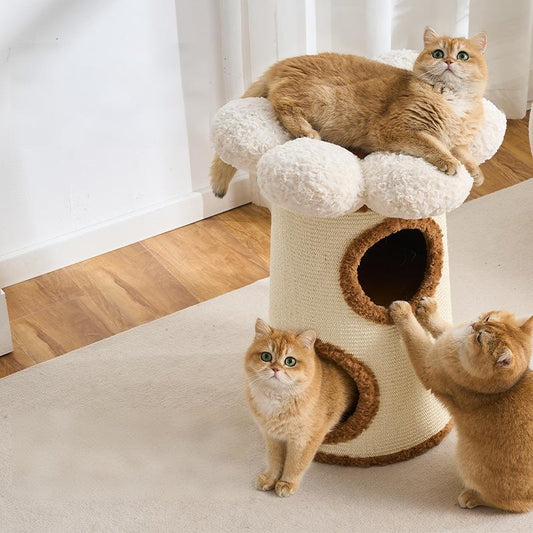
Stylish Cat Trees Featuring Cozy Napping Retreats

The Surprising Psychological Benefits of Cat Trees
Laisser un commentaire

Comprendre les habitudes de votre chat en matière d'escalade
Aperçu
Les chats grimpent pour leur sécurité, le jeu et l'exercice. Comprendre leurs habitudes d'escalade est crucial pour leur bien-être et la sécurité de votre foyer. Fournissez des structures d'escalade, utilisez l'espace vertical et surveillez leur comportement pour créer un environnement adapté. Des alternatives engageantes et des ressources communautaires peuvent améliorer leur expérience et votre lien.
Table des matières
- Pourquoi les chats grimpent-ils ?
- Sécurité et sûreté
- Esprit joueur
- Exercice et santé physique
- Comprendre les préférences d'escalade de votre chat
- Âge
- Race
- Personnalité
- Créer l'environnement d'escalade parfait
- Investir dans un arbre à chat durable
- Utiliser l'espace vertical
- Ajouter des arbres pour animaux de compagnie
- Avantages comportementaux de l'escalade
- Soulagement du stress
- Instincts naturels
- Gérer les défis liés à l'escalade
- Escalade sur des surfaces indésirables
- Chutes accidentelles
- Facteurs à surveiller dans le comportement d'escalade de votre chat
- Fréquence d'escalade
- Changements de comportement
- Condition physique
- Alternatives engageantes à l'escalade
- Jouets interactifs
- Jeux de cache-cache
- Ressources utiles et communauté
- La joie de comprendre votre chat
Points clés
- Les chats grimpent pour leur sécurité : Les perchoirs élevés leur permettent d'échapper aux menaces et d'observer leur environnement en toute sécurité.
- L'escalade favorise la santé physique : Elle aide à maintenir un poids sain, encourage le développement musculaire et offre un exutoire à l'énergie.
- L'âge et la race influencent les habitudes d'escalade : Les chatons sont plus aventureux, tandis que certaines races comme les Siamois sont naturellement enclines à chercher des endroits élevés.
- Créer un environnement propice à l'escalade : Investissez dans des arbres à chat durables et utilisez l'espace vertical avec des étagères ou des arbres muraux.
- L'escalade aide à soulager le stress : Elle permet aux chats d'échapper aux menaces perçues, réduisant l'anxiété et les comportements destructeurs.
- Surveillez le comportement d'escalade : Une escalade fréquente ou des changements de comportement peuvent indiquer l'ennui ou le stress, nécessitant plus d'engagement ou de nouvelles options d'escalade.
- Alternatives engageantes : Si l'espace est limité, les jouets interactifs et les jeux de cache-cache peuvent stimuler l'esprit de votre chat et encourager l'activité.
Les chats sont des grimpeurs nés. Leurs facéties ludiques et leurs comportements curieux laissent souvent les propriétaires d'animaux amusés et perplexes. Comprendre les habitudes d'escalade de votre chat est essentiel pour sa santé et son bien-être, ainsi que pour la sécurité de votre foyer. Dans ce guide, nous explorerons les raisons de ces tendances d'escalade et comment vous pouvez fournir un environnement adapté à votre cher compagnon félin.
Pourquoi les chats grimpent-ils ?
La question de savoir pourquoi les chats grimpent peut être répondue par la compréhension de leurs instincts naturels. Les chats sont à la fois des proies et des prédateurs dans la nature, et leur capacité à grimper joue un rôle crucial dans leur survie. Voici les principales raisons pour lesquelles votre chat pourrait aimer escalader des surfaces élevées :
Sécurité et sûreté
L'escalade permet aux chats d'échapper à des menaces potentielles. Les perchoirs élevés leur offrent un espace sûr où ils peuvent observer leur environnement sans être en danger. Cet instinct provient de leurs ancêtres sauvages, qui cherchaient souvent refuge contre de plus grands prédateurs en grimpant aux arbres ou aux affleurements rocheux.
Esprit joueur
Pour les chats, l'escalade est aussi une forme de jeu. Lorsqu'ils sont chatons, ils explorent leur environnement, grimpant sur les meubles, les rideaux et les étagères pour le plaisir. Ce comportement se poursuit à l'âge adulte, ce qui rend essentiel pour les propriétaires d'animaux de compagnie de fournir des opportunités d'escalade appropriées.
Exercice et santé physique
L'escalade est une activité physique qui aide votre chat à maintenir un poids sain et une bonne forme physique générale. Elle favorise le développement musculaire et la coordination tout en offrant à votre chat un exutoire pour son énergie. Un arbre à chat durable peut être le moyen idéal de garder votre chat engagé et actif.
Comprendre les préférences d'escalade de votre chat
Chaque chat est unique, et ses habitudes d'escalade peuvent varier considérablement. Voici quelques facteurs qui peuvent influencer les préférences d'escalade de votre chat :
Âge
Les chatons sont beaucoup plus aventureux et agiles que les chats plus âgés. Leur énergie juvénile signifie qu'ils tenteront probablement de grimper sur tout ce qu'ils peuvent atteindre. Les chats plus âgés peuvent préférer des perchoirs plus bas, car leur agilité et leur endurance peuvent diminuer avec l'âge.
Race
Certaines races sont plus enclines à grimper. Par exemple, les Siamois et les Abyssins sont connus pour leur nature aventureuse et recherchent fréquemment des endroits en hauteur dans la maison. Comprendre la race de votre chat peut vous donner un aperçu de ses préférences en matière d'escalade.
Personnalité
Tout comme les humains, les chats ont des personnalités différentes. Certains peuvent être plus curieux et aventureux que d'autres. Les chats avec un haut niveau de curiosité ont tendance à explorer tous les recoins, y compris les endroits en hauteur. Comprendre la personnalité de votre chat peut vous aider à répondre à ses habitudes d'escalade.
Créer l'environnement d'escalade parfait
Pour satisfaire les habitudes d'escalade de votre chat, il est crucial de créer un environnement qui satisfait ses instincts. Voici quelques conseils pour créer un espace propice à l'escalade :
Investir dans un arbre à chat durable
Un arbre à chat durable peut être un merveilleux ajout à votre maison. Non seulement il offre un endroit désigné pour l'escalade, mais il propose également des poteaux à griffer et des zones de repos pour votre chat. Choisissez-en un suffisamment robuste pour supporter le poids de votre chat et conçu pour les habitudes de comportement de votre chat.
Utiliser l'espace vertical
La plupart des maisons ont amplement d'espace vertical qui peut être utilisé pour le plaisir de votre chat grimpeur. L'installation d'étagères à différentes hauteurs ou l'ajout d'arbres à chat muraux peuvent créer une glissade pour chat qui intrigue et défie votre chat. Cela satisfera non seulement son instinct d'escalade, mais créera également un environnement stimulant pour l'exploration.
Ajouter des arbres pour animaux de compagnie
Les arbres pour animaux de compagnie peuvent servir à la fois de structures d'escalade et de lieux de repos pour vos chats. Semblables aux arbres à chat durables, les arbres pour animaux de compagnie offrent plusieurs niveaux à explorer pour votre chat, l'aidant à rester actif et engagé. Ils peuvent également servir d'excellents endroits pour que votre chat observe son environnement, ce qui est essentiel pour sa santé mentale.
Avantages comportementaux de l'escalade
Au-delà de l'exercice physique, l'escalade offre de nombreux avantages comportementaux à votre chat :
Soulagement du stress
L'escalade peut agir comme une forme de soulagement du stress pour les félins. Elle leur permet d'échapper aux menaces perçues et réduit les niveaux d'anxiété. Lorsque les chats ont leurs propres lieux d'escalade, ils peuvent s'y retirer lorsqu'ils ont besoin d'espace, réduisant ainsi la probabilité de comportements destructeurs.
Instincts naturels
Permettre à votre chat d'explorer ses instincts de grimpeur peut améliorer sa qualité de vie globale. Il est bénéfique pour eux de s'engager dans des activités qui leur sont naturelles, favorisant leur bien-être mental et émotionnel.
Gérer les défis liés à l'escalade
Bien que l'escalade soit un comportement naturel, elle peut parfois poser des défis aux propriétaires de chats. Voici quelques problèmes courants et leurs solutions :
Escalade sur des surfaces indésirables
Beaucoup de chats aiment grimper sur les comptoirs de cuisine ou les étagères, ce qui n'est peut-être pas idéal pour votre maison. Voici comment décourager l'escalade indésirable :
- Fournissez des structures d'escalade alternatives, telles qu'un arbre à chat durable ou un grand arbre à chat, pour détourner leur attention.
- Utilisez des sprays dissuasifs ou placez du ruban adhésif double face sur les zones que vous souhaitez interdire.
- Maintenez un environnement propre pour rendre toute surface indésirable moins attrayante pour votre chat.
Chutes accidentelles
Lorsque les chats grimpent, ils peuvent occasionnellement perdre pied et tomber. Pour minimiser les blessures :
- Choisissez une structure d'escalade robuste et bien conçue qui est peu susceptible de basculer.
- Éloignez les meubles des endroits élevés pour éviter un scénario de saut et de chute.
- Surveillez les habitudes d'escalade de votre chat pour identifier s'il tente des escalades risquées.
Facteurs à surveiller dans le comportement d'escalade de votre chat
En tant que propriétaire de chat, vous devez surveiller certains facteurs comportementaux :
Fréquence d'escalade
Observez la fréquence à laquelle votre chat grimpe. Une escalade fréquente peut indiquer l'ennui ou un manque de stimulation. Si votre chat escalade souvent des surfaces plus élevées, envisagez de l'engager davantage avec plus de temps de jeu ou en lui offrant de nouvelles opportunités d'escalade.
Changements de comportement
Si votre chat commence à grimper plus fréquemment ou de manière inhabituelle, cela pourrait indiquer du stress ou de l'anxiété. Soyez attentif aux changements dans l'état émotionnel de votre chat et apportez-lui le soutien nécessaire.
Condition physique
Surveillez la condition physique de votre chat pendant qu'il grimpe. Si vous remarquez des signes d'inconfort ou de restriction lorsqu'il tente de grimper, il est peut-être temps de réévaluer les structures d'escalade qui lui sont disponibles.
Alternatives engageantes à l'escalade
Si votre chat est incapable de grimper ou si vous n'avez pas d'espace pour de plus grands grimpeurs, envisagez ces alternatives engageantes :
Jouets interactifs
Les jouets interactifs peuvent encourager l'engagement de votre chat sans nécessiter d'espace vertical. Envisagez des pointeurs laser et des baguettes à plumes pour stimuler le côté joueur de votre chat et reproduire certains aspects de l'escalade et de la chasse.
Jeux de cache-cache
Encourager votre chat à « chercher » des friandises ou des jouets peut stimuler son esprit et encourager l'activité physique. Vous pouvez cacher des friandises chez vous pour qu'il les découvre, imitant le frisson de la chasse.
Ressources utiles et communauté
Faire partie de la communauté des animaux de compagnie peut fournir un soutien inestimable et des conseils de propriétaires de chats expérimentés. Les forums en ligne, les clubs locaux et les groupes de médias sociaux peuvent offrir des conseils sur la compréhension du comportement d'escalade, la découverte de nouvelles structures d'escalade et la connexion avec d'autres propriétaires de chats. N'hésitez pas à partager vos expériences ou à demander de l'aide à d'autres personnes tout aussi passionnées par leurs compagnons félins.
La joie de comprendre votre chat
En conclusion, comprendre les habitudes d'escalade de votre chat est essentiel pour créer un environnement domestique confortable et stimulant. En investissant dans un arbre à chat durable, en utilisant l'espace vertical et en surveillant son comportement, vous offrirez une vie plus saine et plus heureuse à votre ami à quatre pattes. Plus vous en apprendrez sur ses instincts et ses préférences, mieux vous serez équipé pour soutenir sa nature aventureuse. Embrassez la joie de l'exploration et laissez votre chat s'aventurer vers de nouvelles hauteurs !
Glossaire
| Terme | Signification |
|---|---|
| Escalade | Action de monter sur des surfaces verticales, courante chez les chats pour le jeu et l'exploration. |
| Arbre à chat durable | Une structure robuste conçue pour que les chats puissent grimper, jouer et se reposer en toute sécurité. |
| Espace Vertical | Hauteur inutilisée dans une maison qui peut être utilisée pour les activités d'escalade des chats. |
| Arbres à Chats | Structures à plusieurs niveaux qui offrent des opportunités d'escalade et de repos pour les chats. |
| Soulagement du Stress | La réduction de l'anxiété chez les chats grâce à l'escalade et à l'exploration des lieux en hauteur. |
| Jouets Interactifs | Des jouets attrayants qui stimulent les instincts naturels de chasse et d'escalade d'un chat. |
| Surveillance Comportementale | Observer les habitudes d'escalade d'un chat pour assurer son bien-être émotionnel et physique. |
| Chutes Accidentelles | Chutes involontaires pouvant survenir lors de l'escalade, pouvant entraîner des blessures. |
| Curiosité | Le désir inné des chats d'explorer leur environnement, menant souvent à l'escalade. |
Produit lié

Tour d'escalade pour chat Maine Coon avec condo | K3
La tour d'escalade pour chat Maine Coon avec condo offre un espace à plusieurs niveaux pour que vos chats actifs puissent grimper, gratter et dormir. Conçue spécifiquement pour les grands félins, elle est dotée d'une structure robuste avec plusieurs perchoirs et un condo douillet pour la relaxation. Cet arbre à chat favorise l'activité physique et le divertissement, ce qui en fait un ajout approprié pour les propriétaires de Maine Coon.
Voir le produitQuestions Fréquemment Posées
1. Pourquoi les chats grimpent-ils ?
Les chats grimpent pour plusieurs raisons, notamment la sécurité, le jeu et l'exercice. Grimper les aide à échapper aux menaces, leur offre une activité amusante et favorise leur santé physique.
2. Comment puis-je créer un environnement propice à l'escalade pour mon chat ?
Vous pouvez créer un environnement propice à l'escalade en investissant dans des structures d'escalade durables pour chats, en utilisant l'espace vertical avec des étagères ou des arbres à chat muraux, et en ajoutant des arbres à chats pour l'exploration et le repos.
3. Que dois-je faire si mon chat grimpe sur des surfaces indésirables ?
Pour décourager l'escalade indésirable, proposez des structures d'escalade alternatives, utilisez des sprays répulsifs ou du ruban adhésif double face sur les zones que vous souhaitez interdire, et maintenez un environnement propre.
4. Comment puis-je surveiller le comportement d'escalade de mon chat ?
Observez la fréquence à laquelle votre chat grimpe, surveillez tout changement de comportement pouvant signaler du stress, et vérifiez son état physique pour vous assurer qu'il ne rencontre pas de difficultés en grimpant.
5. Quelles sont les alternatives intéressantes à l'escalade pour mon chat ?
Les alternatives intéressantes incluent des jouets interactifs comme les pointeurs laser et les baguettes à plumes, ainsi que des jeux de cache-cache où vous cachez des friandises que votre chat doit trouver.