Article récent

Keep It Clean: Tips for Maintaining Your Cat Tree

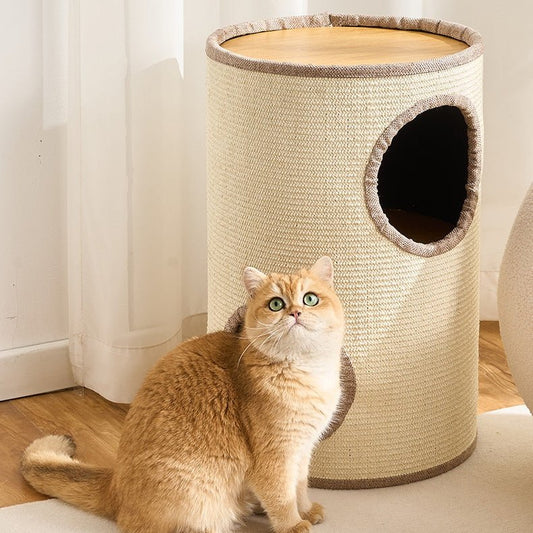
Chic Cat Trees That Enhance Your Home Decor

Cat Trees vs. Shelves: Which Is Better for Your Cat?

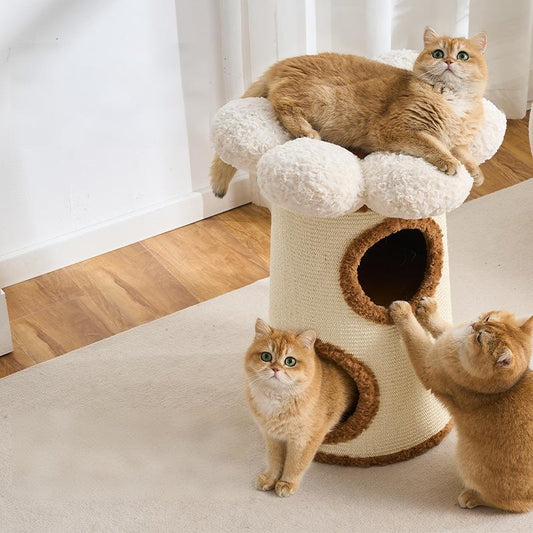
Stylish Cat Trees Featuring Cozy Napping Retreats

The Surprising Psychological Benefits of Cat Trees

Sturdy Cat Trees for Large Cats with Real Wood Design
Laisser un commentaire

Le rôle essentiel des arbres à chats dans l'exercice félin
Aperçu
Les arbres à chat sont essentiels pour maintenir les chats en bonne santé physique et mentale en leur offrant de l'exercice, du divertissement et de la stimulation. Ils encouragent les comportements naturels, aident à prévenir l'obésité et réduisent le stress. Lors du choix d'un arbre à chat, tenez compte de sa taille, de sa stabilité et des matériaux, en particulier pour les grandes races comme les Maine Coons. Un placement approprié et des jeux interactifs peuvent améliorer l'expérience de votre chat, tandis que la surveillance des signes d'ennui assure son bien-être. Investir dans un arbre à chat favorise une vie plus heureuse et plus saine pour votre ami félin.
Table des matières
- Pourquoi les chats ont besoin d'exercice
- Les bienfaits des arbres à chat pour la forme physique des félins
- Opportunités d'activité physique
- Encourager les comportements naturels
- Choisir le bon arbre à chat pour votre félin
- Taille et stabilité
- Considérations relatives aux matériaux et au design
- Intégrer les arbres à chat dans votre maison
- L'emplacement est important
- Jeu interactif
- Détecter les signes de mécontentement
- Créer un environnement sécurisé
- Interagir avec votre chat
- Créer une routine
- Synthèse
Points clés à retenir
- L'exercice est crucial pour que les chats maintiennent leur santé physique et mentale, prévenant ainsi l'obésité et les problèmes de comportement.
- Les arbres à chat offrent plusieurs niveaux pour grimper, sauter et griffer, favorisant l'activité physique et le développement musculaire.
- Choisir le bon arbre à chat implique de considérer la taille et la personnalité de votre chat, en assurant stabilité et durabilité.
- L'emplacement de l'arbre à chat doit être stratégique, idéalement dans une zone très fréquentée ou près d'une fenêtre pour encourager son utilisation.
- Le jeu interactif avec des jouets peut améliorer l'engagement de votre chat avec l'arbre à chat, favorisant davantage l'exercice.
- Vérifiez régulièrement l'arbre à chat pour sa sécurité, en vous assurant qu'il est stable et exempt de dangers qui pourraient nuire à votre chat.
- Établir une routine qui inclut du temps de jeu sur l'arbre à chat aide à garantir que votre chat fait de l'exercice de manière constante.
Lorsqu'il s'agit d'assurer que nos amis félins restent en forme et en bonne santé, l'importance de l'exercice ne peut être sous-estimée. L'un des moyens les plus efficaces de faciliter une activité physique régulière pour les chats est l'utilisation d'arbres à chat. Ces structures à plusieurs niveaux offrent un divertissement, un exercice et une stimulation sans fin à nos compagnons à fourrure. Cependant, comprendre le rôle des arbres à chat dans l'exercice félin va au-delà du simple plaisir. Dans ce blog, nous explorerons les avantages des arbres à chat, en nous concentrant sur la façon dont ils contribuent au bien-être de votre chat, en particulier pour les grandes races comme le Maine Coon.
Pourquoi les chats ont besoin d'exercice
Les chats sont des créatures intrinsèquement joueuses et agiles, ayant besoin d'exercice régulier pour maintenir leur santé physique et mentale. Contrairement aux chiens, qui ont souvent besoin de promenades quotidiennes, la plupart des chats domestiques trouvent leur exercice dans les limites de leur foyer. Sans exutoire pour leur énergie, les chats peuvent devenir obèses, s'ennuyer ou développer des problèmes de comportement. Voici quelques raisons pour lesquelles l'exercice est essentiel pour nos amis félins :
- Équilibre les niveaux d'énergie, prévenant l'obésité.
- Favorise des fonctions corporelles saines, y compris la digestion et la circulation.
- Réduit le stress et l'anxiété, aidant à gérer les problèmes de comportement.
- Encourage les instincts de chasse naturels par le jeu.
Les bienfaits des arbres à chat pour la forme physique des félins
Les arbres à chat ou les griffoirs sont plus qu'un simple mobilier pour votre chat ; ils font partie intégrante d'un mode de vie sain. En ce qui concerne l'exercice félin, les arbres à chat jouent un rôle central de plusieurs façons :
Opportunités d'activité physique
L'une des caractéristiques les plus importantes d'un arbre à chat est sa conception, qui offre différents niveaux et surfaces pour grimper et sauter. Un arbre à chat multi-niveaux offre un espace vertical pour l'exploration, permettant aux chats de s'engager dans des activités physiques telles que :
- Escalade : Les chats peuvent exercer leurs muscles en se déplaçant entre les différents niveaux.
- Sauts : Les sauts entre les niveaux offrent un entraînement cardio robuste.
- Étirements : Les poteaux à griffer sur l'arbre à chat encouragent les étirements, nécessaires pour maintenir la souplesse.
Encourager les comportements naturels
Les arbres à chat imitent les environnements naturels, nous offrant la possibilité de faciliter des comportements cruciaux pour le bonheur et le bien-être d'un chat. Par exemple :
- Le perchoir permet aux chats d'observer leur environnement, satisfaisant leur besoin instinctif de surveiller leur territoire.
- Les cachettes et les espaces clos à l'intérieur de l'arbre à chat procurent un sentiment de sécurité et aident à réduire le stress.
- L'interaction avec des jouets suspendus ou des rebords motive les chats à sauter et à jouer, utilisant leurs capacités physiques pour attraper ou interagir.
Choisir le bon arbre à chat pour votre félin
Lors du choix d'un arbre à chat, il est crucial de tenir compte de la personnalité, des besoins et de la taille de votre chat. Par exemple, les grandes races comme le Maine Coon peuvent nécessiter un arbre à chat plus robuste et plus haut pour s'adapter à leur taille et à leur niveau d'activité. Voici quelques conseils pour choisir le bon arbre à chat :
Taille et stabilité
Pour une aire de jeu stable et sécurisée, choisissez un arbre à chat multi-niveaux large et bien soutenu. L'arbre doit également avoir une base solide pour éviter qu'il ne bascule lorsque votre chat saute ou grimpe. C'est particulièrement important pour les grands chats qui peuvent exercer plus de poids sur une structure que les petites races.
Considérations relatives aux matériaux et au design
Recherchez des matériaux de haute qualité qui sont durables et sûrs. Les surfaces doivent encourager l'escalade et le grattage sans s'abîmer rapidement. Les caractéristiques à prendre en compte incluent :
- Un revêtement en tissu doux et durable.
- Des poteaux résistants aux griffures.
- Des cachettes, des étagères et des rampes pour diverses options d'escalade.
Intégrer les arbres à chat dans votre maison
Une fois que vous avez choisi l'arbre à chat parfait, l'intégrer dans votre environnement domestique est essentiel pour encourager son utilisation. Voici quelques stratégies pour motiver votre chat :
L'emplacement est important
Placez l'arbre à chat dans un endroit bien en vue où votre chat aime passer du temps. Les chats sont plus susceptibles de s'engager avec l'arbre s'il est placé près d'une fenêtre avec vue ou dans une zone très fréquentée de la maison.
Jeu interactif
Améliorez l'expérience de votre chat sur l'arbre en incorporant des jouets interactifs. Des baguettes à plumes, des jouets suspendus ou des pointeurs laser peuvent inciter votre chat à jouer activement sur et autour de l'arbre à chat, favorisant ainsi l'activité physique.
Détecter les signes de mécontentement
Bien que les arbres à chat soient d'excellents ajouts pour aider votre félin à faire de l'exercice, il est essentiel de rester attentif aux comportements de votre chat. Voici quelques signes que votre chat pourrait montrer s'il est mécontent ou s'ennuie :
- Miaulements excessifs ou vocalisations.
- Comportement destructeur comme ronger les meubles.
- Surconsommation de nourriture ou prise de poids.
- Niveaux d'activité réduits ou léthargie.
Créer un environnement sécurisé
La sécurité est primordiale lorsqu'il s'agit de la forme physique des félins. Assurez-vous que l'environnement de jeu de votre chat est exempt de dangers. Voici quelques conseils à prendre en compte :
- Fixez l'arbre à chat au mur s'il est haut et étroit.
- Retirez tous les cordons lâches ou les petits objets qui pourraient être ingérés.
- Vérifiez régulièrement l'arbre à chat pour l'usure afin de prévenir tout accident.
Interagir avec votre chat
L'engagement est la clé d'un mode de vie agréable et actif pour votre chat. Passez du temps quotidiennement à interagir avec votre félin sur son arbre à chat. Le temps de jeu peut être une expérience de liaison et maintenir votre chat stimulé physiquement et mentalement.
Créer une routine
Établir une routine qui inclut du temps de jeu sur l'arbre à chat peut aider à garantir que votre chat fait suffisamment d'exercice. Qu'il s'agisse d'une courte séance de chasse aux jouets ou d'une montée au plus haut perchoir, avoir un horaire en place encourage votre chat à utiliser son arbre de manière cohérente.
Synthèse
Le rôle des arbres à chat dans la promotion de l'exercice félin est énorme et multifacette. En offrant un environnement sûr et stimulant qui satisfait les instincts naturels de votre chat, les arbres à chat servent non seulement de source de divertissement, mais aussi d'outil essentiel pour améliorer la santé globale de votre chat.
L'intégration d'un arbre à chat multi-niveaux dans votre maison est un investissement judicieux pour le bien-être de votre ami félin. N'oubliez pas qu'engager votre chat, choisir le bon arbre et assurer un environnement sûr peut créer un terrain de jeu épanouissant pour votre animal de compagnie bien-aimé. Alors, laissez ces pattes joueuses grimper, sauter et explorer leur nouveau sanctuaire préféré. Investir dans un arbre à chat, c'est investir dans une vie plus heureuse et plus saine pour votre chaton !
Glossaire
| Terme | Signification |
|---|---|
| Arbre à chat | Structure à plusieurs niveaux conçue pour que les chats puissent grimper, jouer et se reposer. |
| Exercice | Activité physique nécessaire au maintien de la santé et du bien-être d'un chat. |
| Maine Coon | Grande race de chat domestique connue pour sa taille et sa nature amicale. |
| Grimper | Activité qui renforce les muscles d'un chat et lui procure de l'exercice. |
| Perchoir | Position où un chat s'assoit en hauteur pour observer son environnement. |
| Jeu interactif | Activités engageantes qui stimulent les capacités physiques et mentales d'un chat. |
| Problèmes de comportement | Problèmes qui découlent d'un manque d'exercice ou de stimulation, comme l'ennui. |
| Sécurité | Mesures prises pour garantir que l'environnement d'un chat est exempt de dangers. |
| Routine | Programme régulier d'activités incluant des jeux pour le chat. |
| Engagement | Interagir avec un chat pour promouvoir un mode de vie sain et actif. |
Produit associé

Grand Arbre à Chats pour Maine Coons Monter et Dormir | K1
Le Grand Arbre à Chats pour Maine Coons offre un design multi-niveaux qui encourage le jeu actif et l'exercice, ce qui en fait un choix idéal pour les félins énergiques. Avec une construction robuste et diverses caractéristiques telles que des perchoirs, des poteaux à griffer et un couchage confortable en forme de capsule spatiale, il offre à la fois plaisir et détente à votre chat. Cet arbre à chats s'intègre parfaitement dans le décor moderne de votre maison, garantissant que votre animal dispose d'un espace désigné pour grimper et se prélasser.
Voir le produitFoire aux questions
1. Pourquoi les chats ont-ils besoin d'exercice ?
Les chats ont besoin d'exercice pour maintenir leur santé physique et mentale, prévenir l'obésité, favoriser les fonctions corporelles, réduire le stress et l'anxiété, et encourager leurs instincts de chasse naturels.
2. Quels sont les avantages d'utiliser un arbre à chats ?
Les arbres à chats offrent des opportunités d'activité physique, encouragent les comportements naturels et améliorent le bien-être général en offrant des surfaces pour grimper, sauter et s'étirer.
3. Comment choisir le bon arbre à chats pour mon chat ?
Lorsque vous choisissez un arbre à chats, tenez compte de la taille, de la personnalité et des besoins de votre chat, en vous concentrant sur la taille, la stabilité, la qualité des matériaux et les caractéristiques de conception.
4. Où dois-je placer l'arbre à chats dans ma maison ?
Placez l'arbre à chats dans un endroit bien en vue, de préférence près d'une fenêtre ou dans un espace fréquemment utilisé, pour encourager votre chat à interagir avec lui.
5. Quels sont les signes indiquant que mon chat pourrait s'ennuyer ou être mécontent ?
Les signes de mécontentement chez les chats incluent une vocalisation excessive, un comportement destructeur, la suralimentation, la prise de poids et une réduction des niveaux d'activité.